Your driveway takes up a significant portion of your home’s front-facing profile. Visitors, neighbors, and potential buyers notice it immediately — before they ever reach your front door.
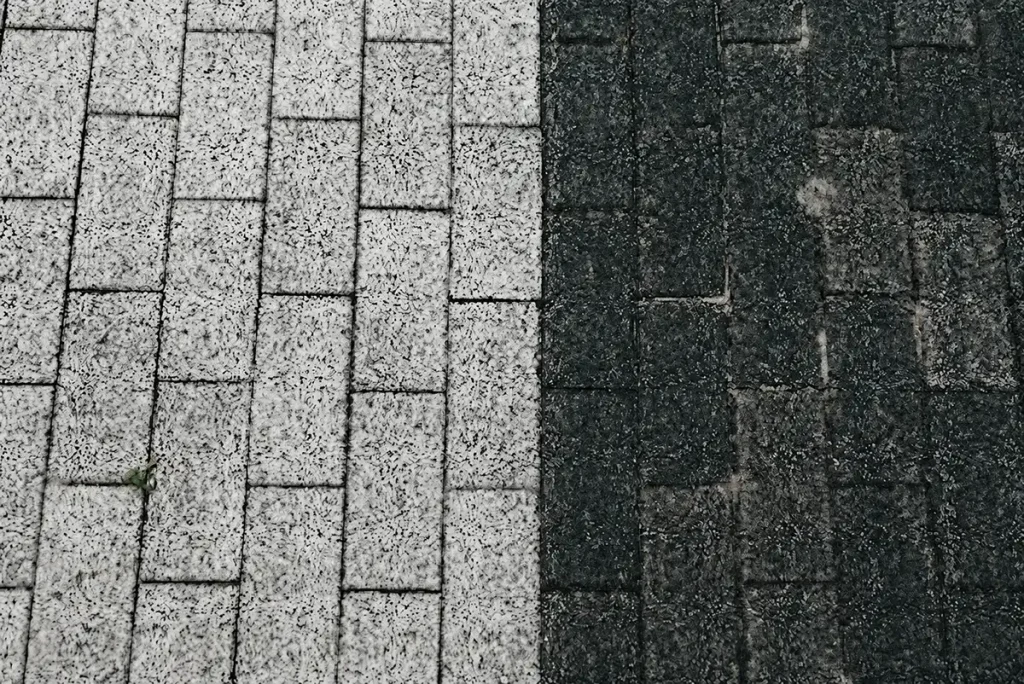
A driveway stained with mold, algae, or old oil patches sends a clear signal: the property isn’t being looked after. Even if your landscaping is immaculate and your paint is fresh, a dark, dirty driveway pulls everything else down with it.
For homeowners in Hollywood, FL, this is an especially common challenge. The South Florida climate — hot, humid, and drenched in summer rain — creates near-perfect conditions for rapid organic growth on porous concrete surfaces. What starts as a faint discoloration in spring can spread into a thick layer of black algae by the time hurricane season peaks.
Professional driveway cleaning addresses this at the root. Here’s why it matters, what causes the buildup, and how the process actually works.
The Impact of a Clean Driveway on First Impressions
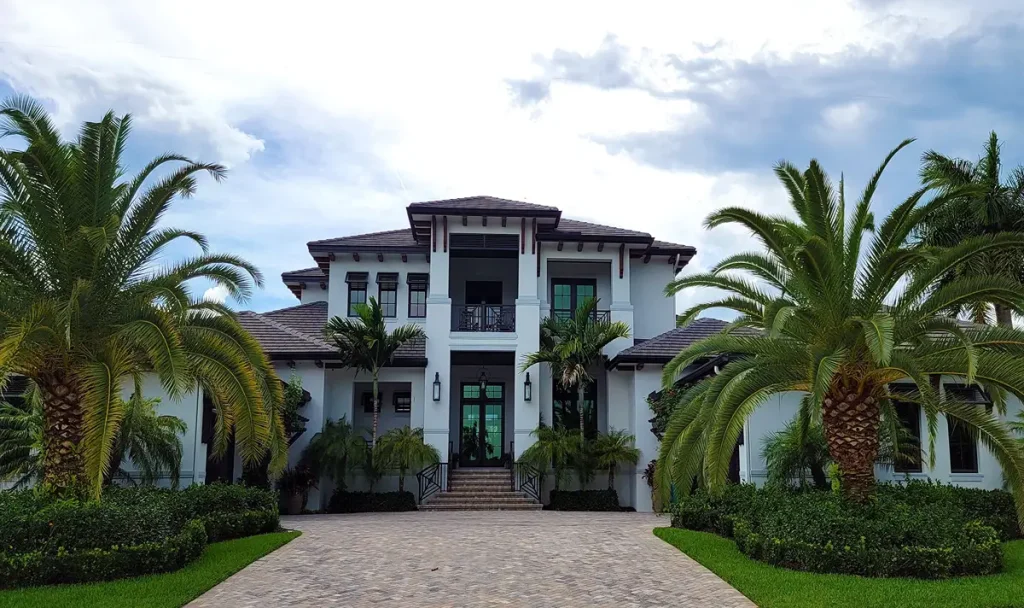
First impressions form fast. For a home, the driveway is often the first surface a person’s eyes land on. A clean, well-maintained driveway tells a story about the rest of the property — even before anyone steps inside.
Visual Appeal and Real Estate Value in South Florida
Real estate agents in Broward County know that exterior presentation directly influences a buyer’s perceived value of a home. A pressure-washed driveway can make a property look years newer without a single renovation.
For homeowners preparing to list in Hollywood, Pembroke Pines, or the broader South Florida market, exterior cleaning is one of the highest-return investments before a sale. It costs a fraction of interior upgrades while dramatically improving how the home photographs and shows.
Even if you’re not selling, a clean driveway simply makes coming home feel better. There’s a noticeable difference between pulling into a bright, clean concrete slab versus one coated in years of grime.
Meeting HOA Regulations Without Hassle
Many residential communities throughout Hollywood and Emerald Hills operate under strict HOA guidelines. Exterior cleanliness — including driveways, walkways, and fence lines — is commonly included in those standards.
An HOA violation letter isn’t just inconvenient. Ignoring it can lead to fines that add up quickly. Professional driveway washing is one of the fastest and most affordable ways to resolve an open violation and stay compliant going forward.
A single cleaning session typically brings a driveway back to a condition that satisfies even strict community inspection standards.
Common Driveway Eyesores in Hollywood, FL
South Florida driveways deal with specific problems that homeowners in cooler, drier climates simply don’t encounter at the same frequency. Understanding what’s actually on the surface helps explain why proper treatment matters.
South Florida Mold, Mildew, and Black Algae Buildup
Concrete is porous. It absorbs moisture, retains warmth, and provides exactly the kind of environment where mold spores and algae thrive.
Hollywood’s rainy season runs from June through November. During those months, afternoon storms roll in almost daily, soaking driveways and patios. The combination of standing moisture and intense heat that follows creates the ideal breeding cycle for organic growth.
Black algae — sometimes called black spot fungus — is one of the most stubborn varieties. It embeds into the surface of concrete and resists light scrubbing entirely. Beyond the visual problem, algae-coated concrete becomes genuinely dangerous. A wet driveway covered in algae is slippery enough to cause a serious fall, especially on a sloped surface.
Mold and mildew follow a similar pattern and carry the added issue of producing an unpleasant, musty odor that can linger around entryways and garages.
Stubborn Oil Stains, Rust, and Tire Marks
Normal vehicle use leaves behind a trail of compounds that bond with concrete over time.
- Oil and transmission fluid seep into porous concrete, leaving dark, spreading stains that simple rinsing cannot lift.
- Rust stains appear where metal objects — wheel rims, lawn equipment, patio furniture — sit on wet concrete for extended periods.
- Tire marks leave black hydrocarbon deposits along the edges of driveways and turning areas.
These aren’t just surface-level issues. Once oil has penetrated concrete, it continues to spread outward and deeper into the pore structure. The longer it sits, the harder it becomes to remove effectively.
DIY vs. Professional Driveway Cleaning
Consumer pressure washers are widely available and can handle light rinsing on many surfaces. On driveways, however, they often create more problems than they solve.
Why Homeowner Pressure Washers Can Damage Concrete
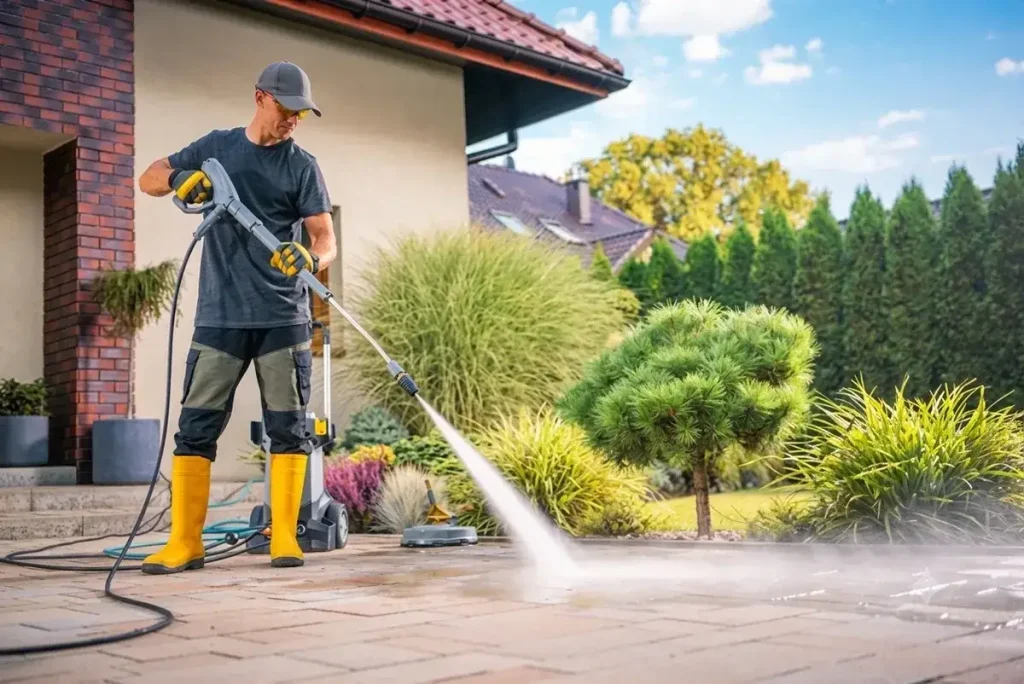
Most units available at hardware stores deliver water through a single, fixed nozzle. That nozzle concentrates pressure into a narrow point of contact. Holding it at the wrong angle — or too close to the surface — strips the top cream coat of the concrete, leaving permanent marks called “zebra striping.”
These are the light-colored, streaky lines you can see on driveways that were pressure washed without the right equipment. Once the cream coat is damaged, the concrete becomes more porous, absorbing future stains and moisture even faster than before.
DIY machines also typically cap out around 1,500–2,000 PSI, which isn’t enough to fully dislodge embedded mold or break down oil compounds. Operators tend to compensate by moving slower or getting closer to the surface, which increases the risk of etching.
The Professional Advantage: Commercial Surface Cleaners and Proper Detergents
Professional equipment operates at significantly higher GPM (gallons per minute) and PSI ratings, but that’s only part of the difference.
The key tool for concrete driveways is a commercial-grade rotary surface cleaner — a flat, disc-shaped attachment that houses two spinning nozzles beneath a sealed cover. This design distributes water pressure evenly across a wide, consistent path, eliminating the wand marks and uneven results of a standard nozzle.
For organic growth — mold, algae, mildew — professionals apply surfactant-based detergents before applying pressure. Surfactants work by breaking the molecular bond between organic matter and the concrete surface, loosening the contamination so it can be removed without relying on raw pressure alone. This is the same principle behind soft washing, a low-pressure technique that’s particularly effective on surfaces where high PSI could cause damage.
This chemistry-first approach is what separates a professional result from a DIY attempt. Pressure removes what’s already loose. The right detergent removes what’s embedded.
Our professional driveway cleaning in Hollywood, FL uses this combination of proper chemistry and commercial surface cleaners to produce consistent, damage-free results.
Restoring Your Driveway: Our Safe Cleaning Process
Every driveway is assessed before any equipment touches the surface. Older concrete, cracked slabs, or previously damaged areas require adjusted pressure settings and technique to avoid making existing issues worse. That inspection step is something a professional service should always include.
Concrete Pre-Treatment with Biodegradable Solutions
Before any pressure is applied, we treat the driveway with biodegradable, pH-balanced soap and degreaser solutions.
For driveways with oil staining, a dedicated degreaser is applied directly and allowed to dwell. This dwelling period gives the surfactant time to penetrate the concrete’s pores and begin breaking down the hydrocarbon molecules before the surface cleaner passes over.
All neighboring plant beds, grass, and landscaping are pre-wetted before treatment begins. This dilutes any detergent overspray and protects the surrounding vegetation throughout the cleaning process.
Even, Strip-Free Cleaning with Professional Surface Cleaners
Once the pre-treatment has had time to work, our commercial rotary surface cleaner is run across the entire driveway in uniform, overlapping passes.
The sealed housing captures and controls the water spray, keeping it consistent and preventing the uneven pressure that causes concrete etching. The result is a uniform clean across the full surface — no streaks, no missed patches, no wand marks.
Areas around edges, expansion joints, and tight corners are finished with careful hand-wanding at the appropriate distance to maintain even results throughout.
Surface Protection and Post-Treatment Care
After cleaning, we apply a mild algaecide treatment to the concrete surface. This residual treatment slows the return of mold and algae by disrupting the environment spores need to anchor and grow.
For long-term protection, we recommend following up with a concrete sealer application. A quality penetrating sealer reduces the concrete’s porosity, making it significantly harder for oil, moisture, and organic matter to penetrate the surface in the future. While sealing is a separate step, pairing it with a professional clean produces the best and longest-lasting results.
If your property also has a covered patio, back porch, or pool surround, our pool deck and patio washing service covers those surfaces using the same safe, effective approach.
And if you’ve noticed discoloration or dark streaking on your roof — a common issue in South Florida’s humid climate — our low-pressure roof cleaning service uses soft washing to remove algae and mold without risking shingle damage.
How often should I have my driveway cleaned in Hollywood, FL?
In South Florida’s hot and humid climate, professional cleaning once or twice a year is generally the right frequency. The combination of frequent summer storms and persistent heat creates rapid mold and algae growth on porous concrete. Homeowners in neighborhoods with active HOA oversight often schedule cleanings in spring — before the rainy season begins — and again in late fall once it winds down.
Can pressure washing damage my concrete driveway?
Yes, it can — and it’s more common than people realize. Using the wrong equipment, applying too much pressure, or holding a narrow wand nozzle too close to the surface can etch lines into the concrete, strip away the top cream coat, or create permanent pitting. This is why professional services use rotary flat surface cleaners that spread pressure evenly rather than concentrating it into a single point of contact.
Will professional driveway cleaning remove oil and transmission fluid stains?
Old, deep-set oil stains that have soaked into concrete for years can be difficult to remove completely. However, professional-grade degreasers combined with hot-water treatment can significantly lighten them and, in many cases, remove them entirely. Results depend on how long the stain has been in place and how deeply it has penetrated. A surface assessment before the job gives a realistic expectation of the outcome.
Do I need to be home while you clean my driveway?
No, you don’t need to be home. As long as we have access to a working outdoor water spigot, the driveway is clear of vehicles, and pets are safely kept away from the work area, the job can be completed without you present. Your property is left clean and ready when you return.
Are the cleaning solutions safe for my lawn and plants?
Yes. Every job starts with pre-wetting all surrounding grass, flower beds, and landscaping before any detergents are applied. After cleaning, those areas are rinsed thoroughly as well. The solutions we use are biodegradable and balanced specifically to be safe for surrounding vegetation when applied and rinsed correctly. Protecting your property — not just your driveway — is part of how we work.
Tired of looking at a dark, slippery driveway every time you pull in? Request a free surface assessment today and see what cleaning slots are available this week. We’ll evaluate your surface, give you an honest picture of what’s needed, and get you on the schedule.